A quest for critical photography….
I love photography, but my encounter with the study of media and tourism has diminished my experience through the lens (for reasons I will only hint at here).
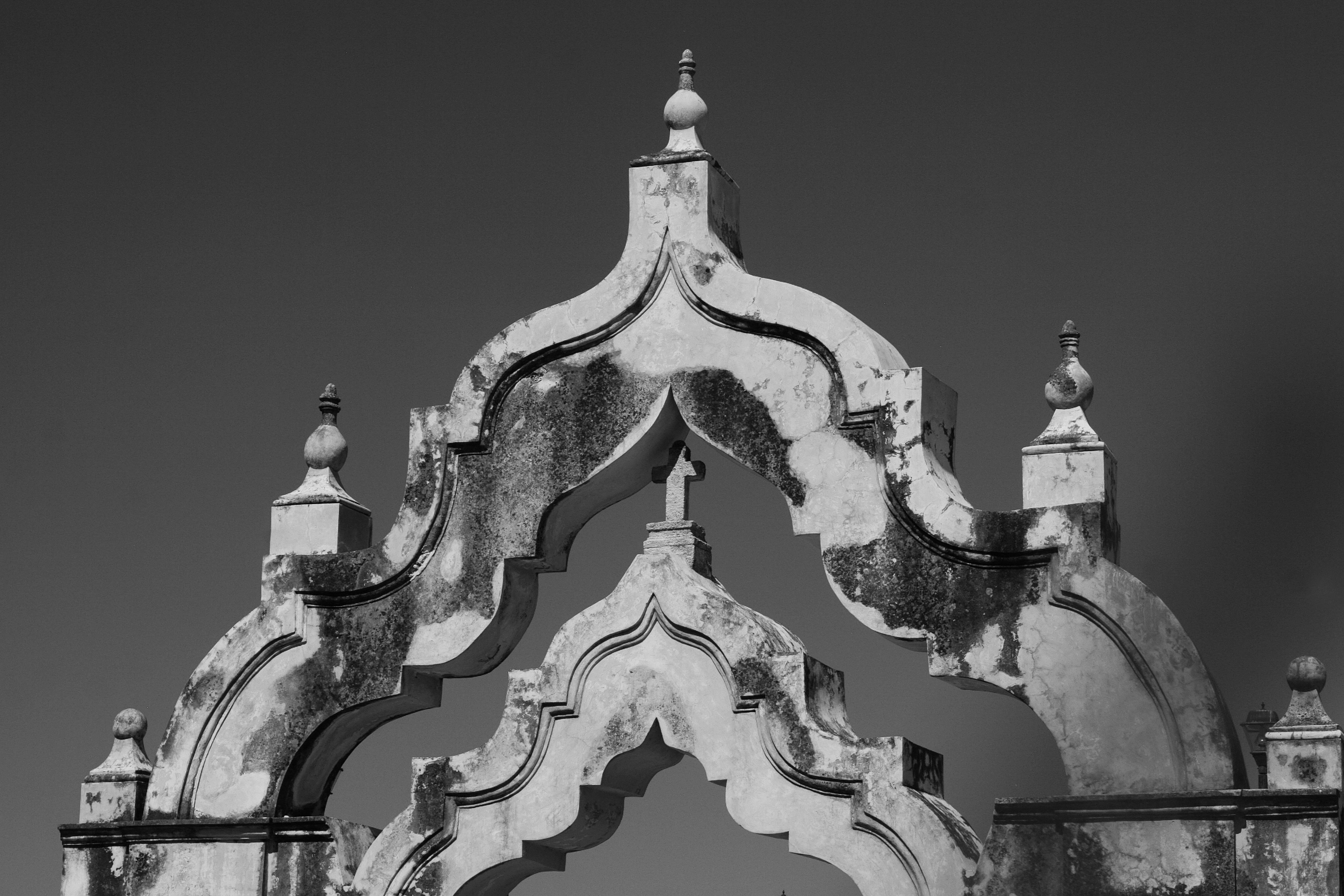
Tourism photography often includes vibrant color, sweeping landscapes and images that invoke the nostalgia from having been there. In many ways, I’ve sought to create the anti-tourism photography — black-and-white with a fixed medium-length lens. I want to create photographs that are pleasurable yet critical — not in a negative sense but in a sense of invoking questions. Questions about tourist practice, about tourist place, about tourist desire. I want to create photographs that are memorable but not nostalgic. Finally, I want to create photographs that reveal the maxim that photographs are accurate but never fully truthful.
One of my colleagues, Molly Morin, talks about setting rules to help dictate your artistic expression. I set certain limits on my expression to challenge my experience through the lens in an effort to create critical tourist photographs.
Rules:
1) shoot only black-and-white photographs
I’ve always been astounded by the vibrant color of the Yucatan, so I wanted to challenge myself to think in contrasts and not in color. This is a reminder that photos don’t simply represent the real. They re-create it.
2) shoot only with a medium-length, fixed lens
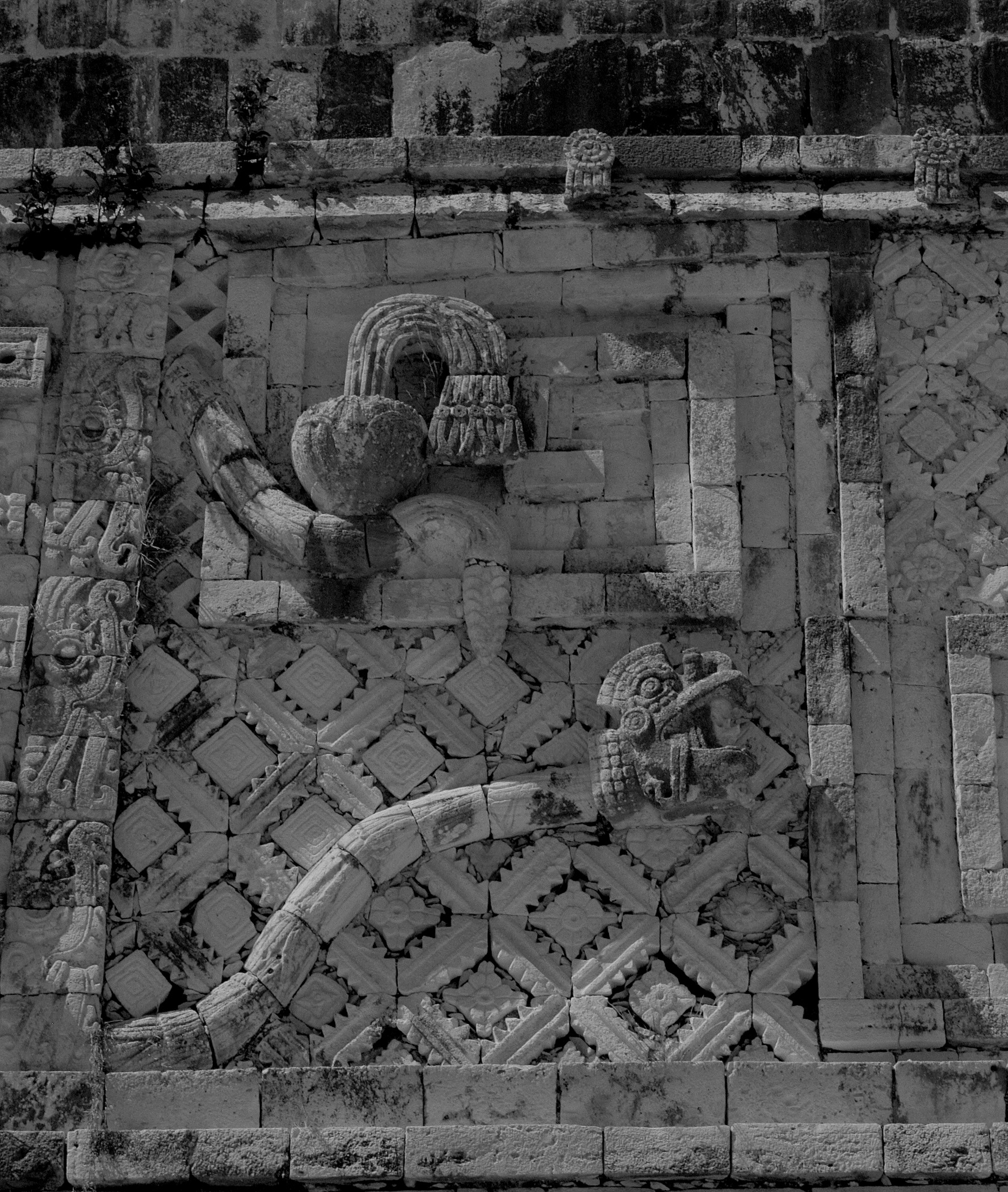
I shot with a 50 mm macro lens (which is more like 70 mm on my digital camera). This lens is great for extreme close-ups but difficult when shooting at a distance (landscapes, etc.). This challenge was a reminder of the partiality of the photo, but it also allowed me to capture elements in vivid detail that are essential to tourist gazes but are rarely seen.
I offer the following two photography series:

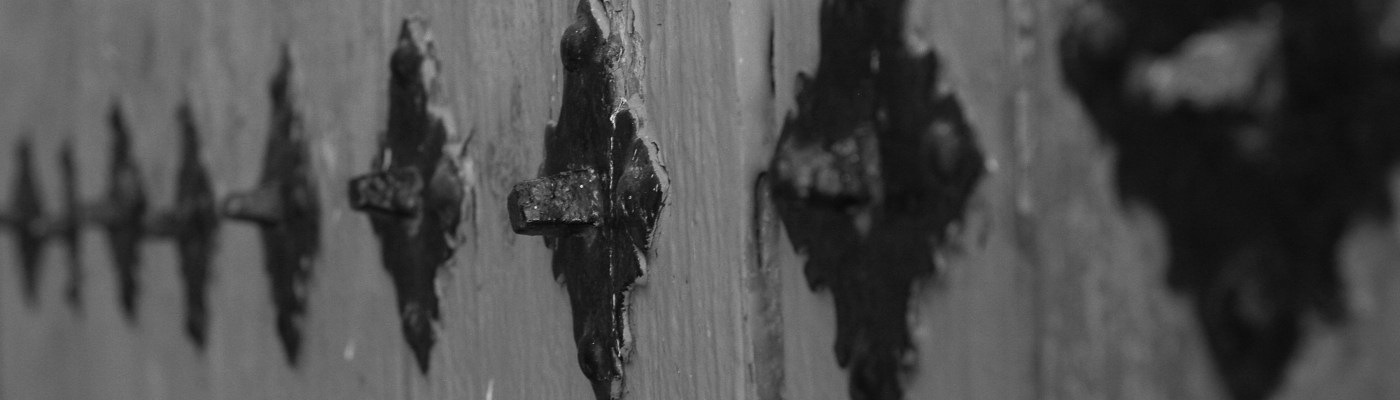
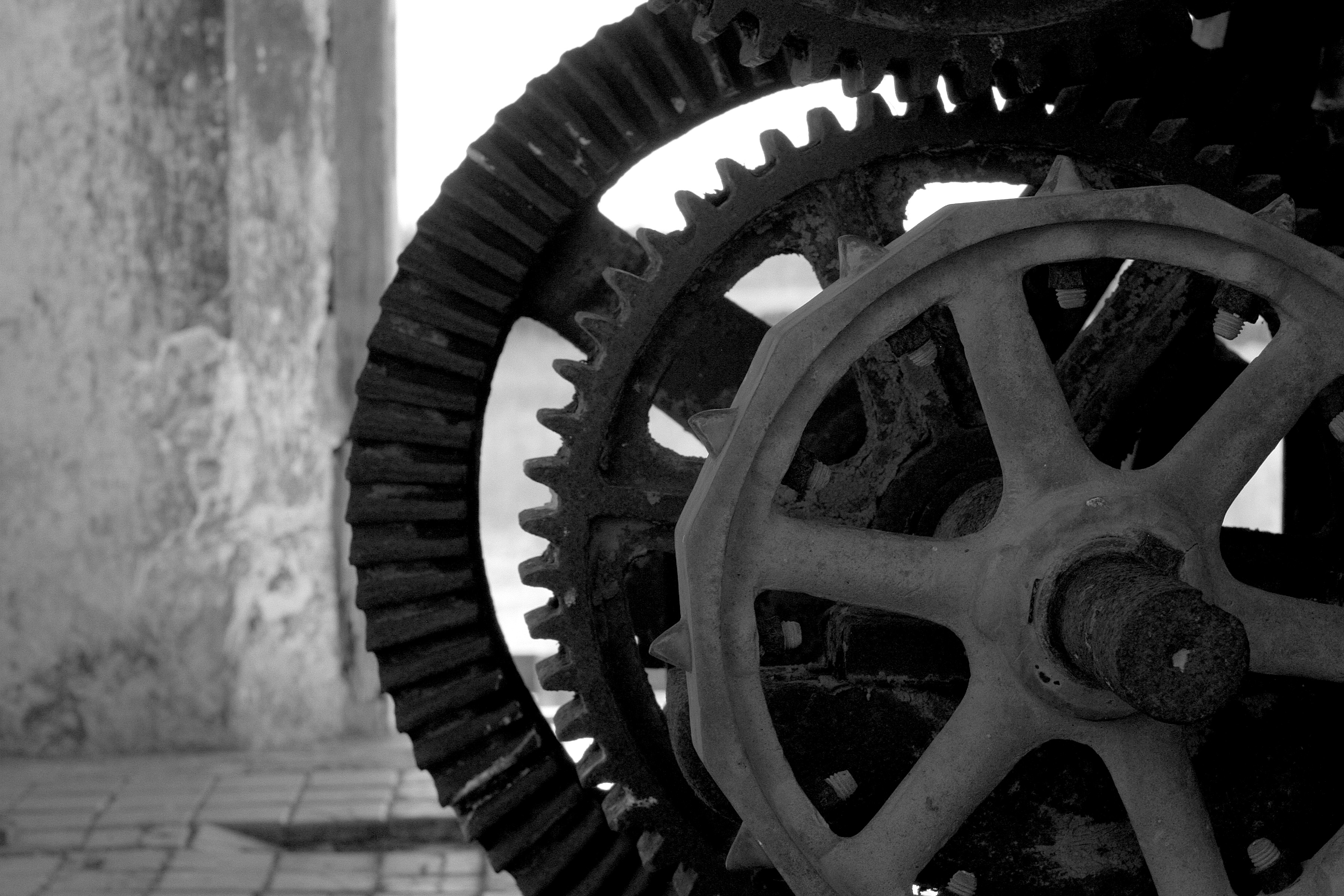
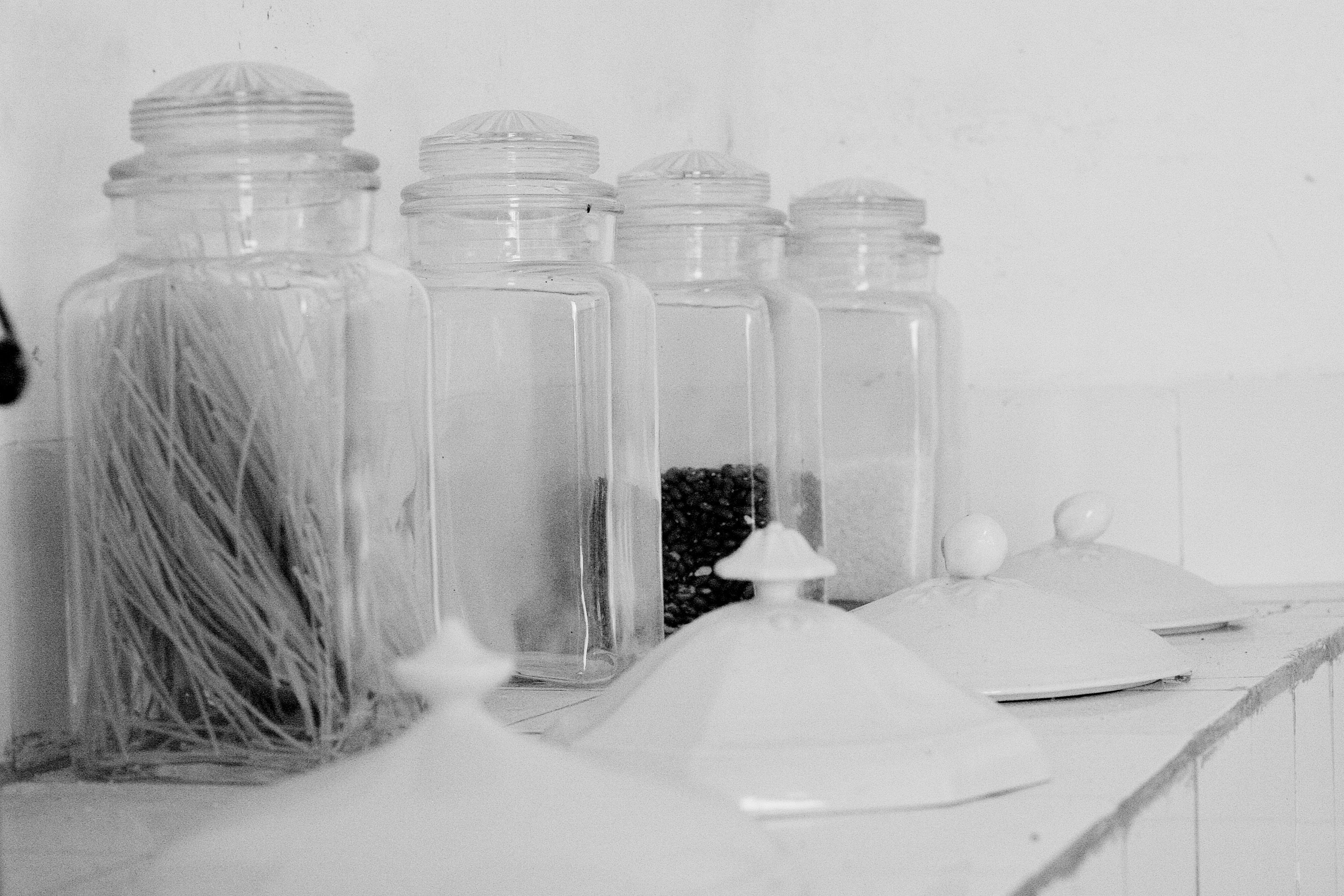
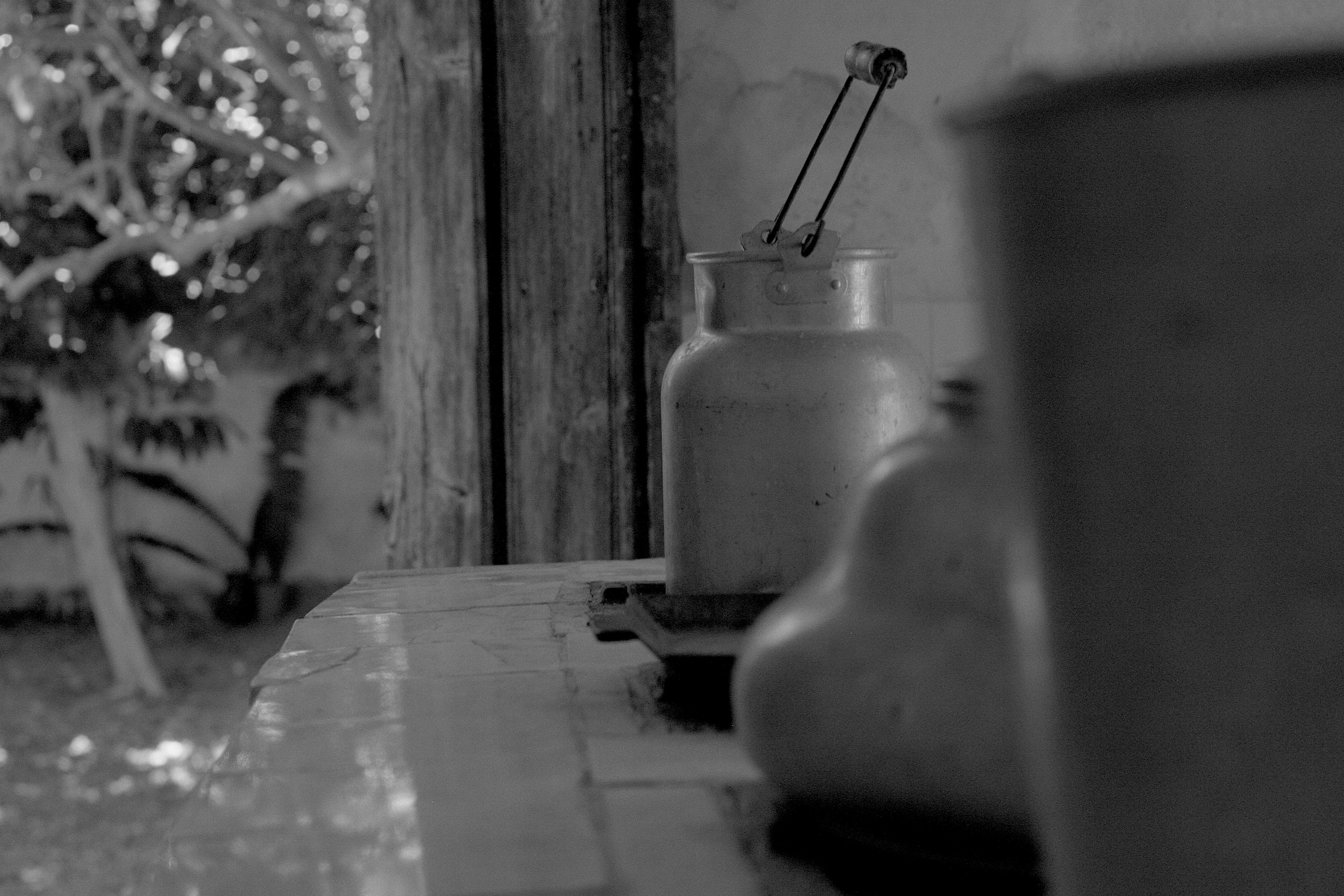
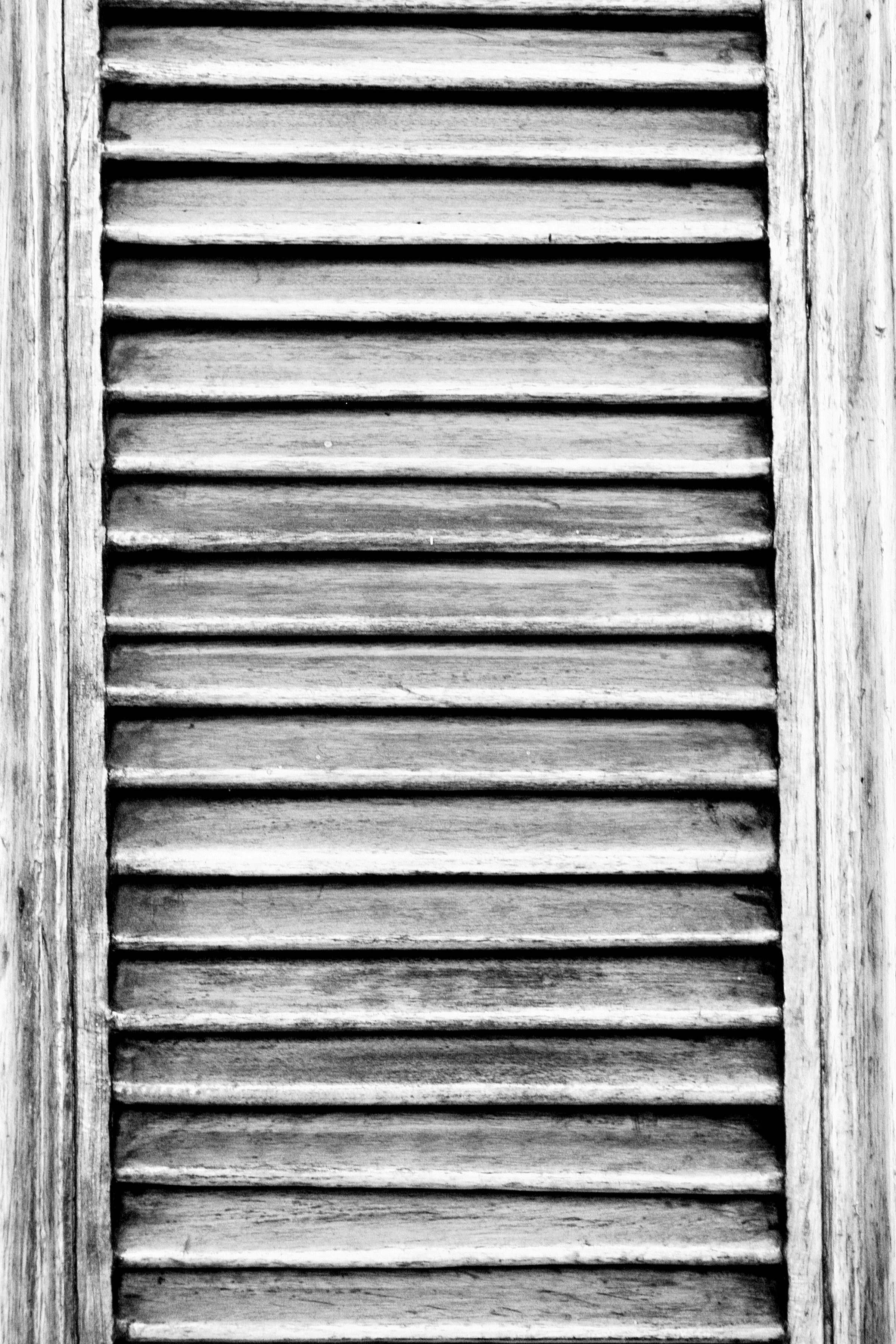
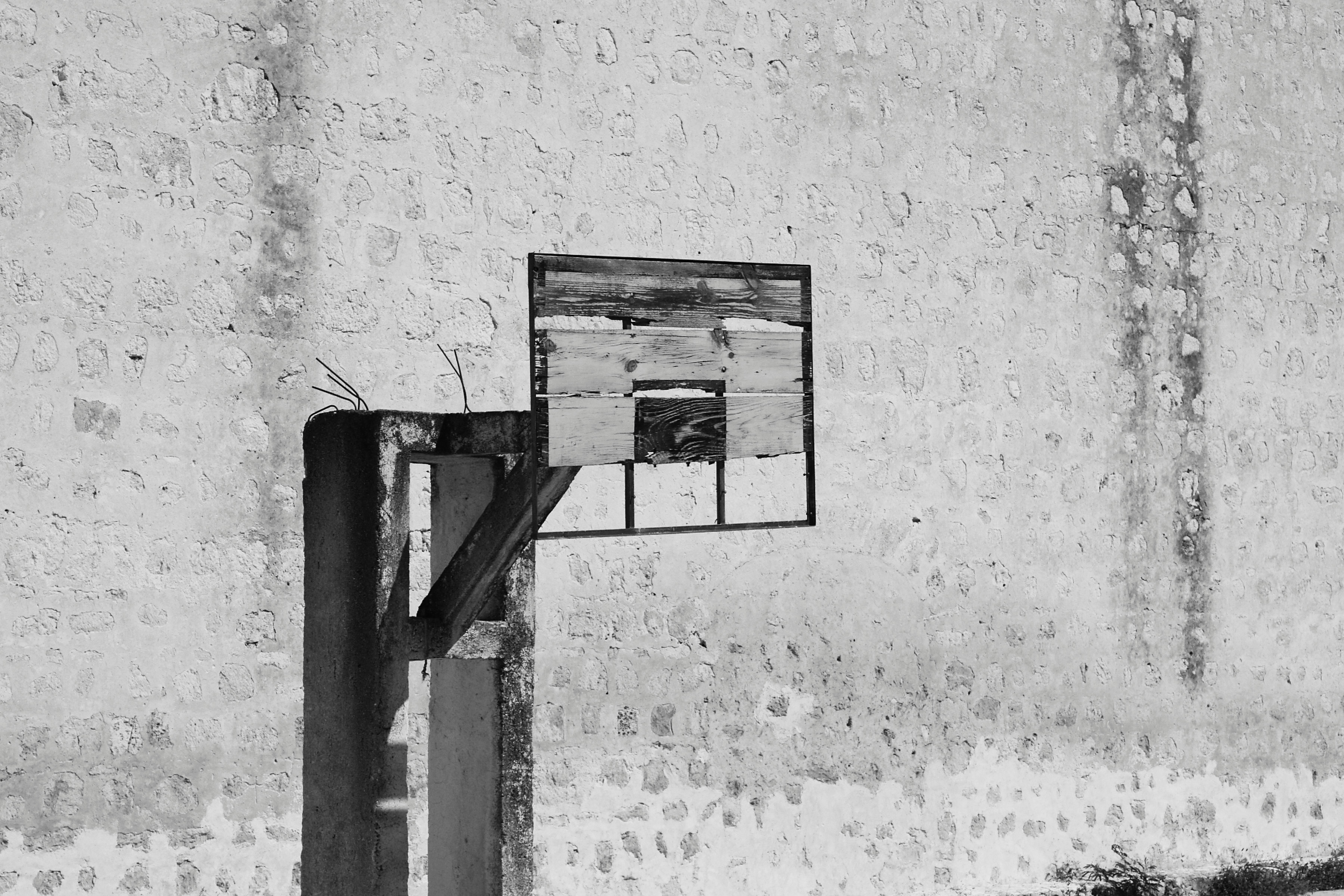
This is a series about the mundane and inanimate objects that make life and culture possible. These are things that make tourism possible and desirable, e.g. the lights for the Sight and Sound show at Uxmal or a stairway in a hotel. These objects are the reminders of colonialism, e.g. the Imperial press. They are the reminders of the intersection of technology and culture (and the human labor therein). They are the things we rarely see on tour but that are integral to our ability to see and tour.


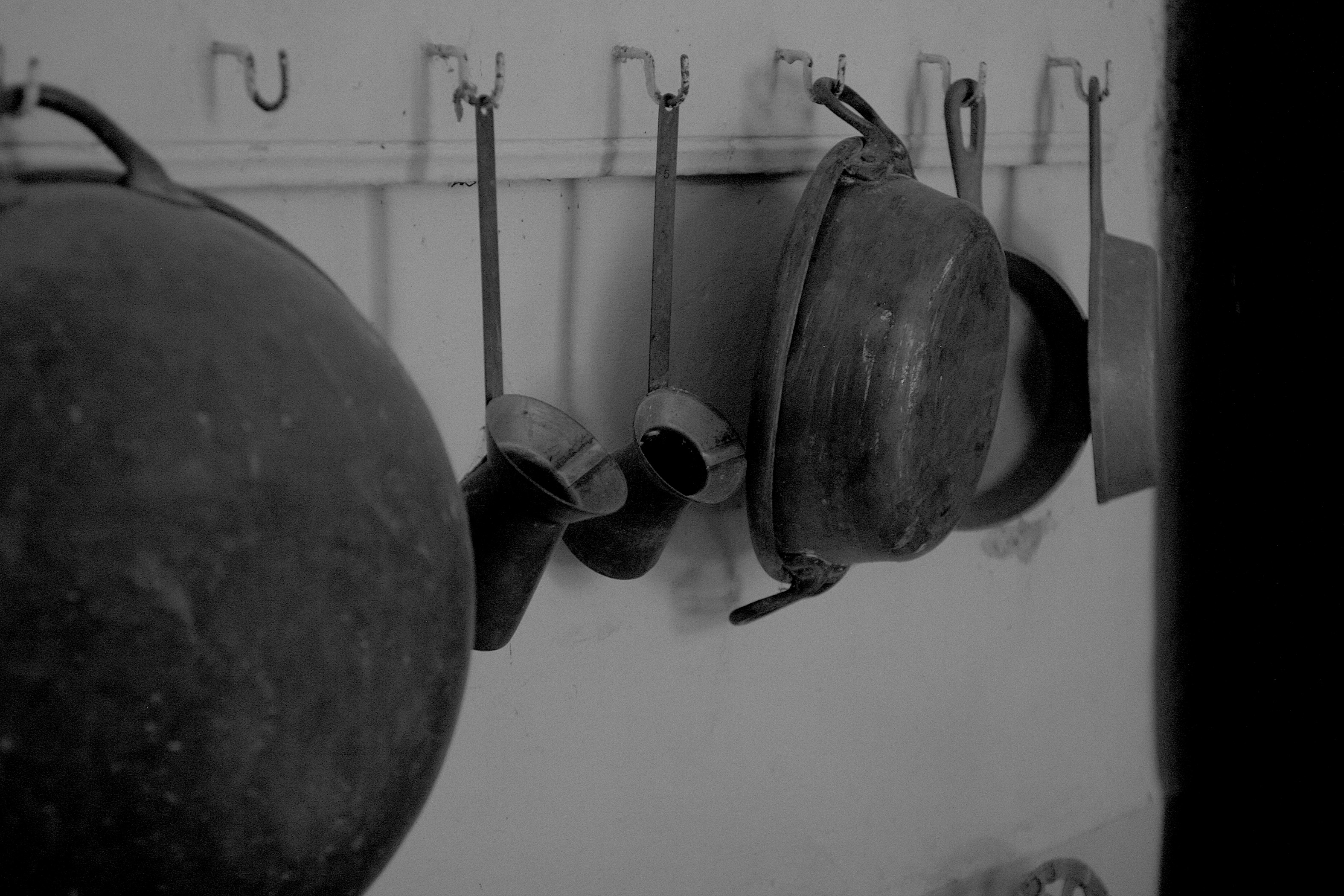


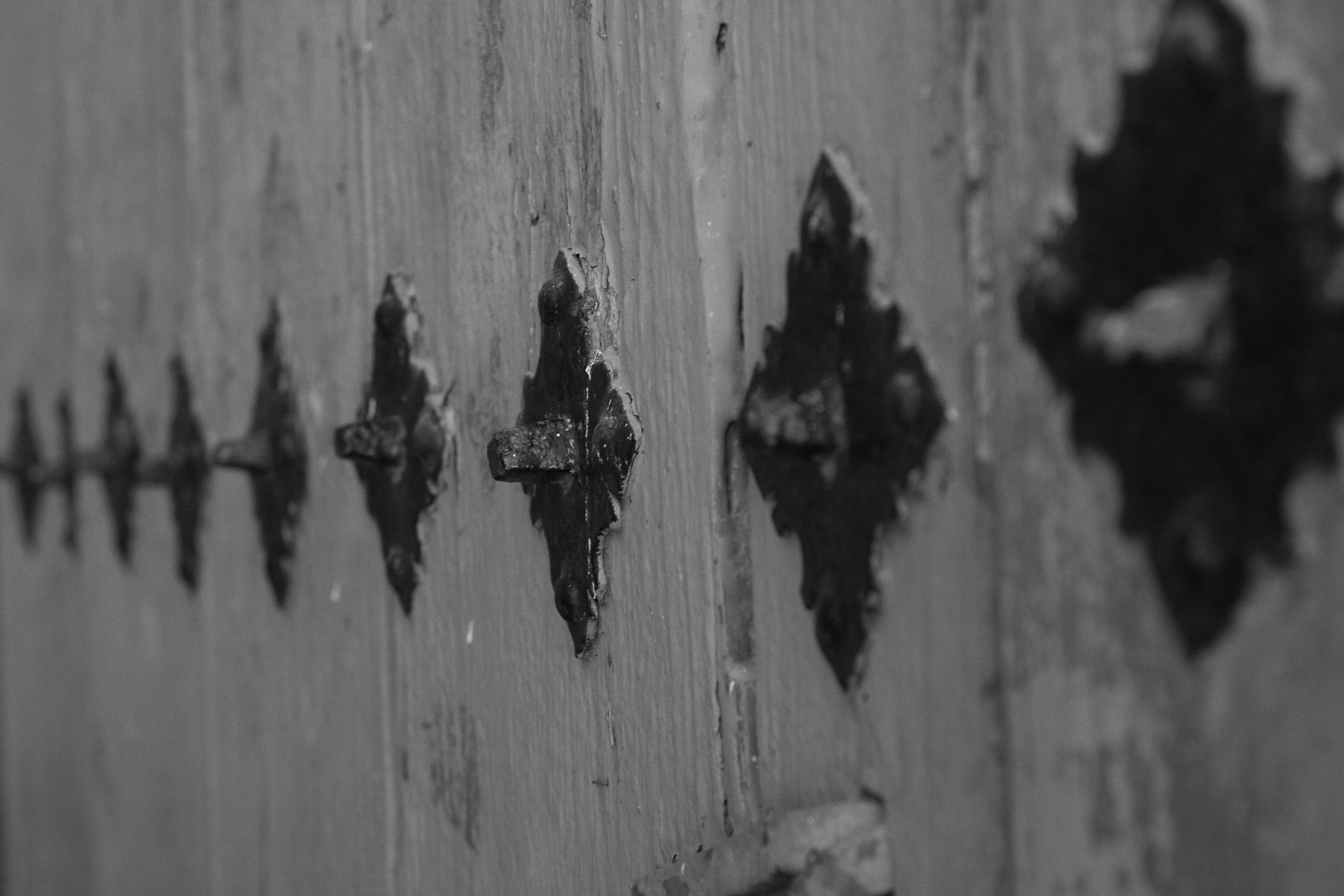
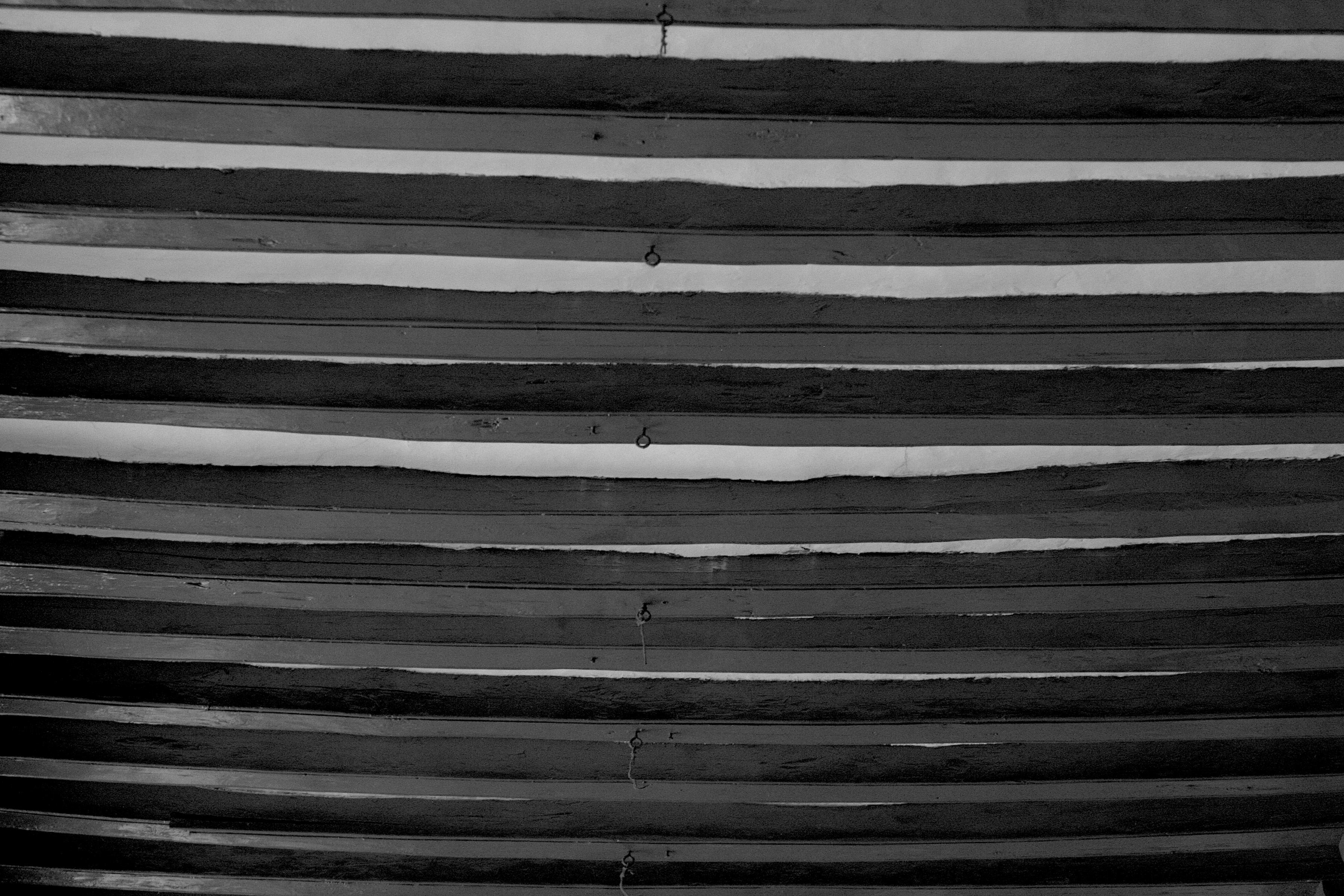
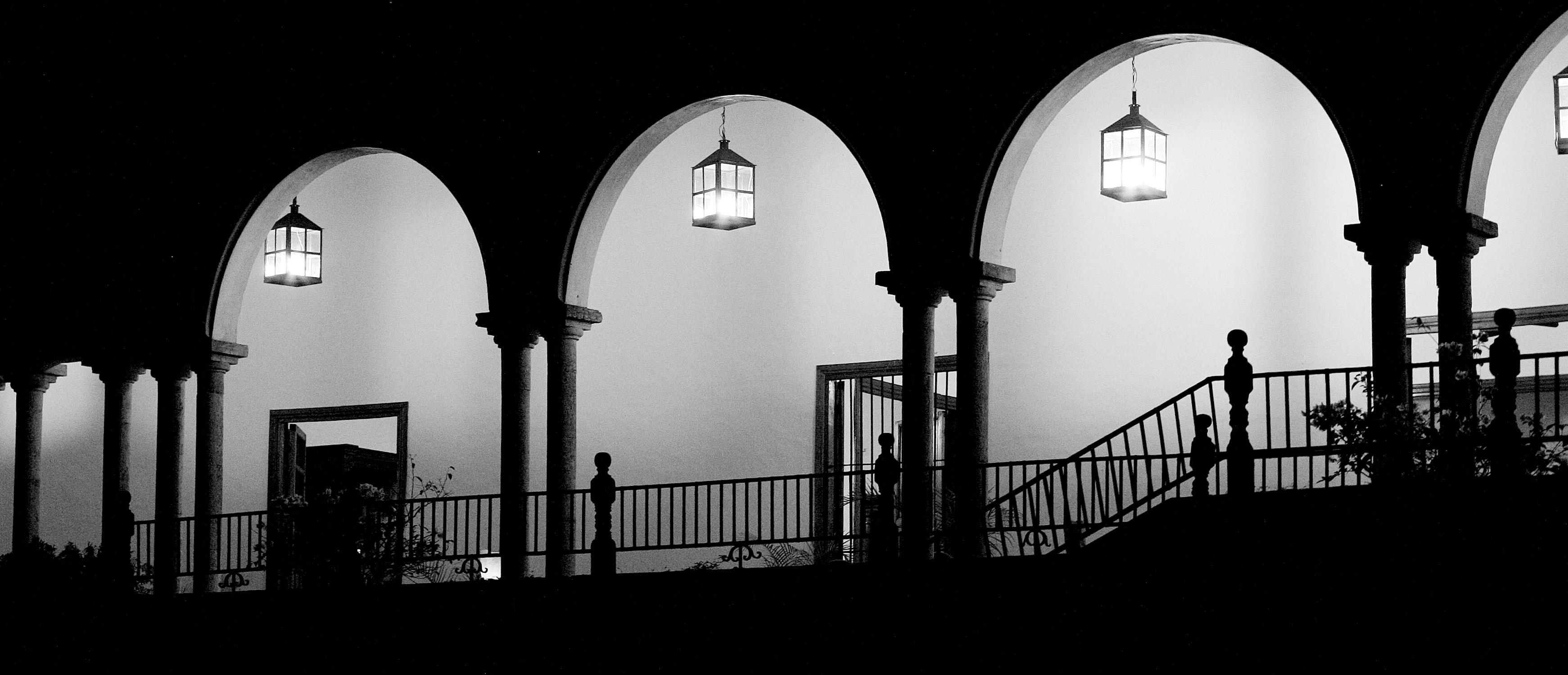
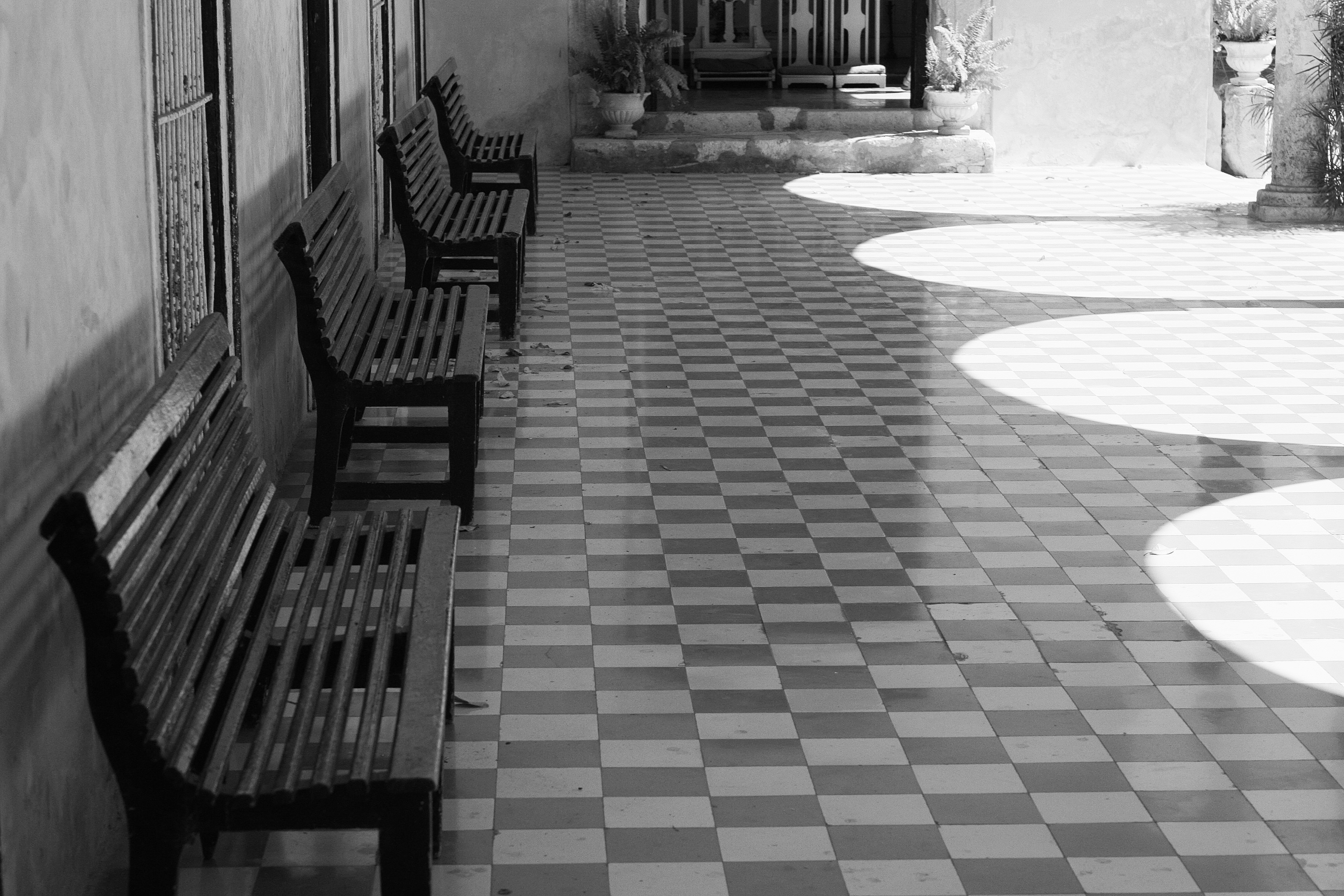
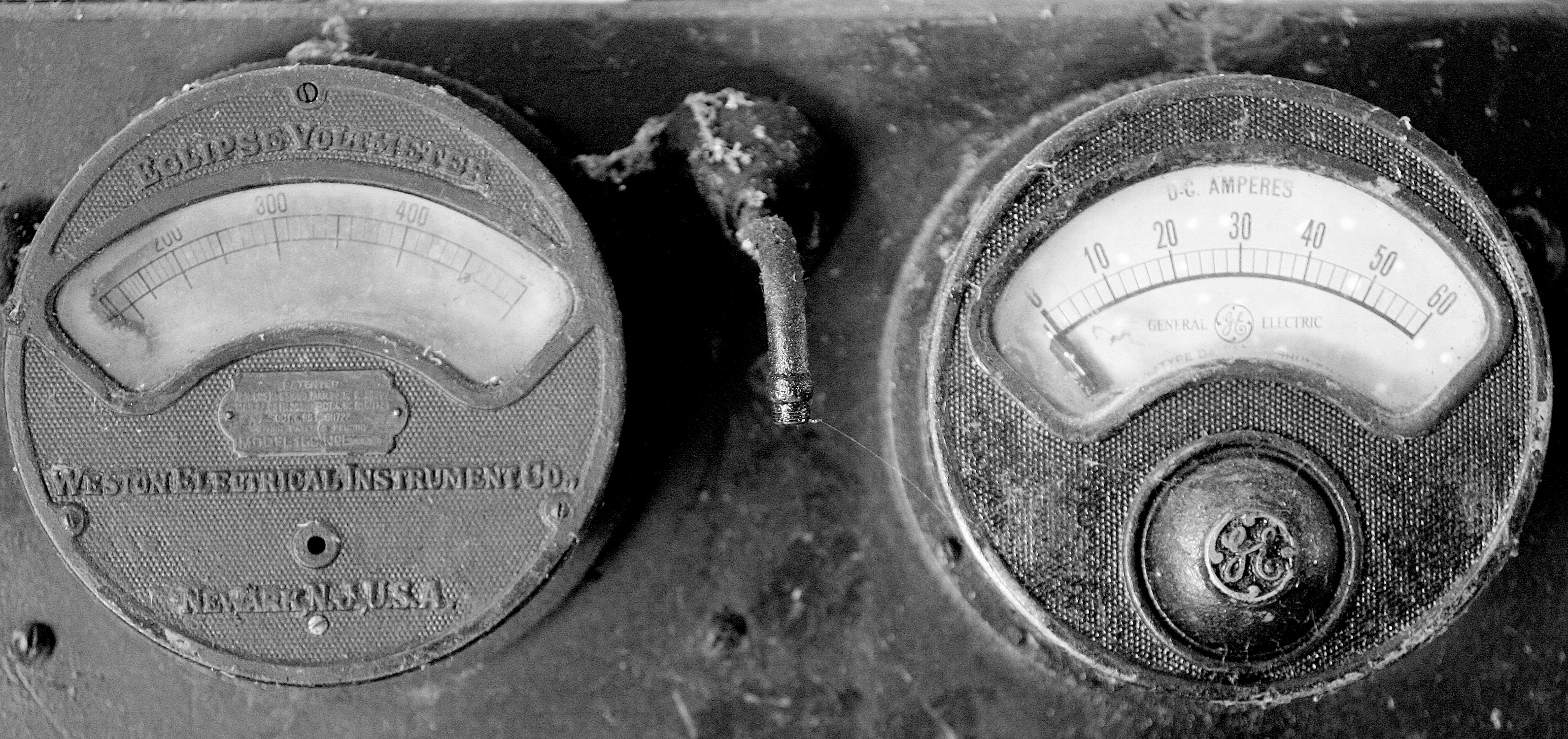
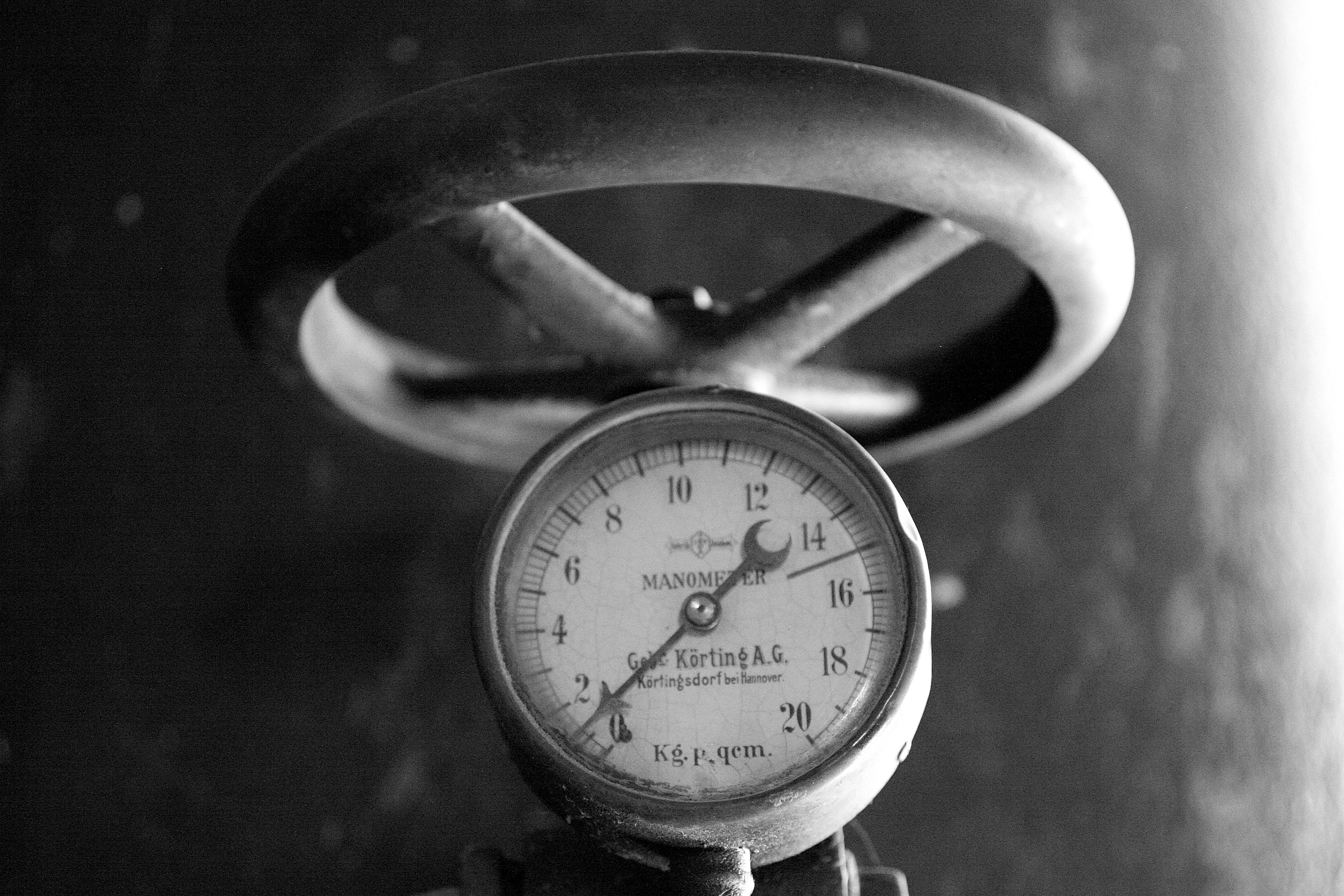
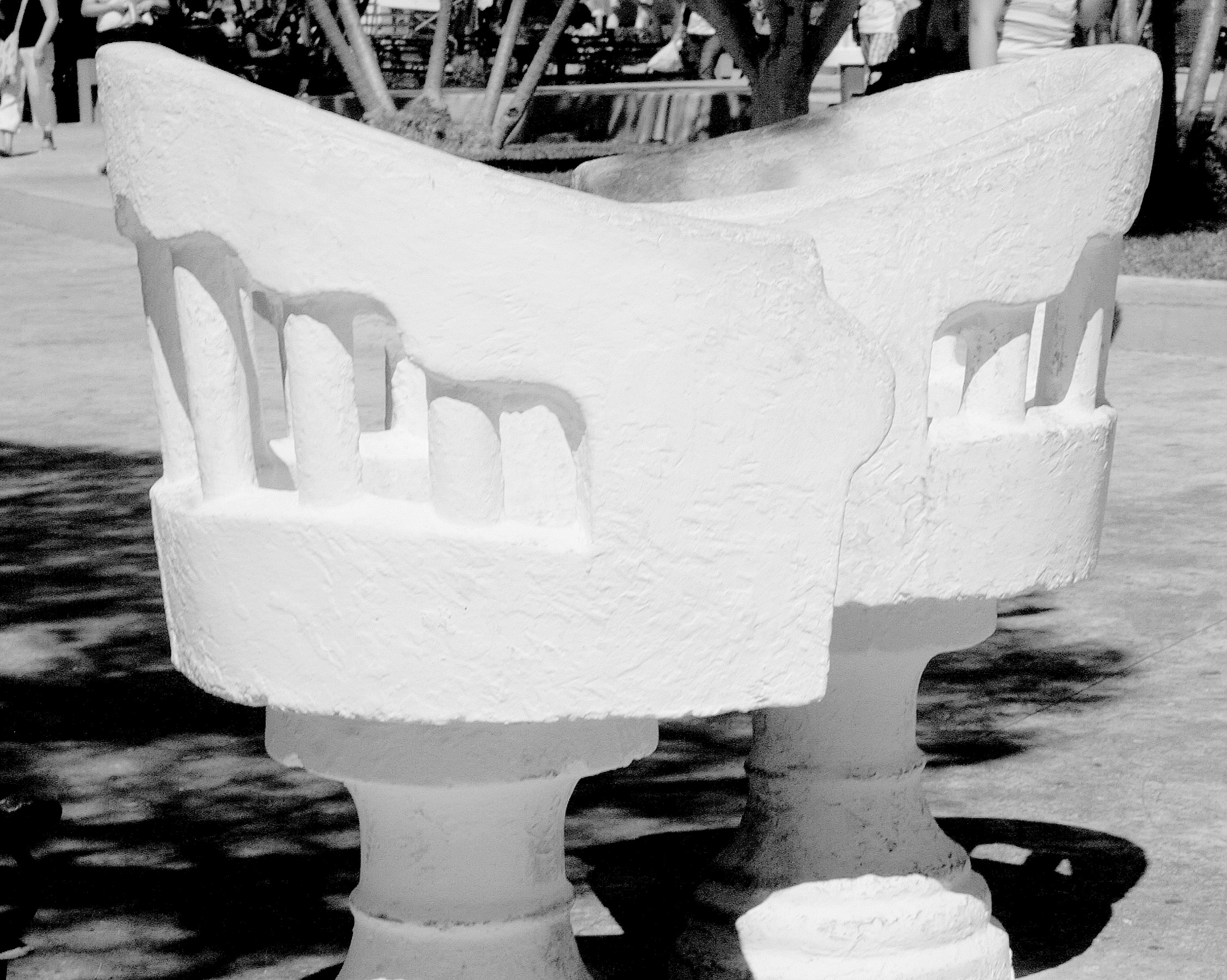
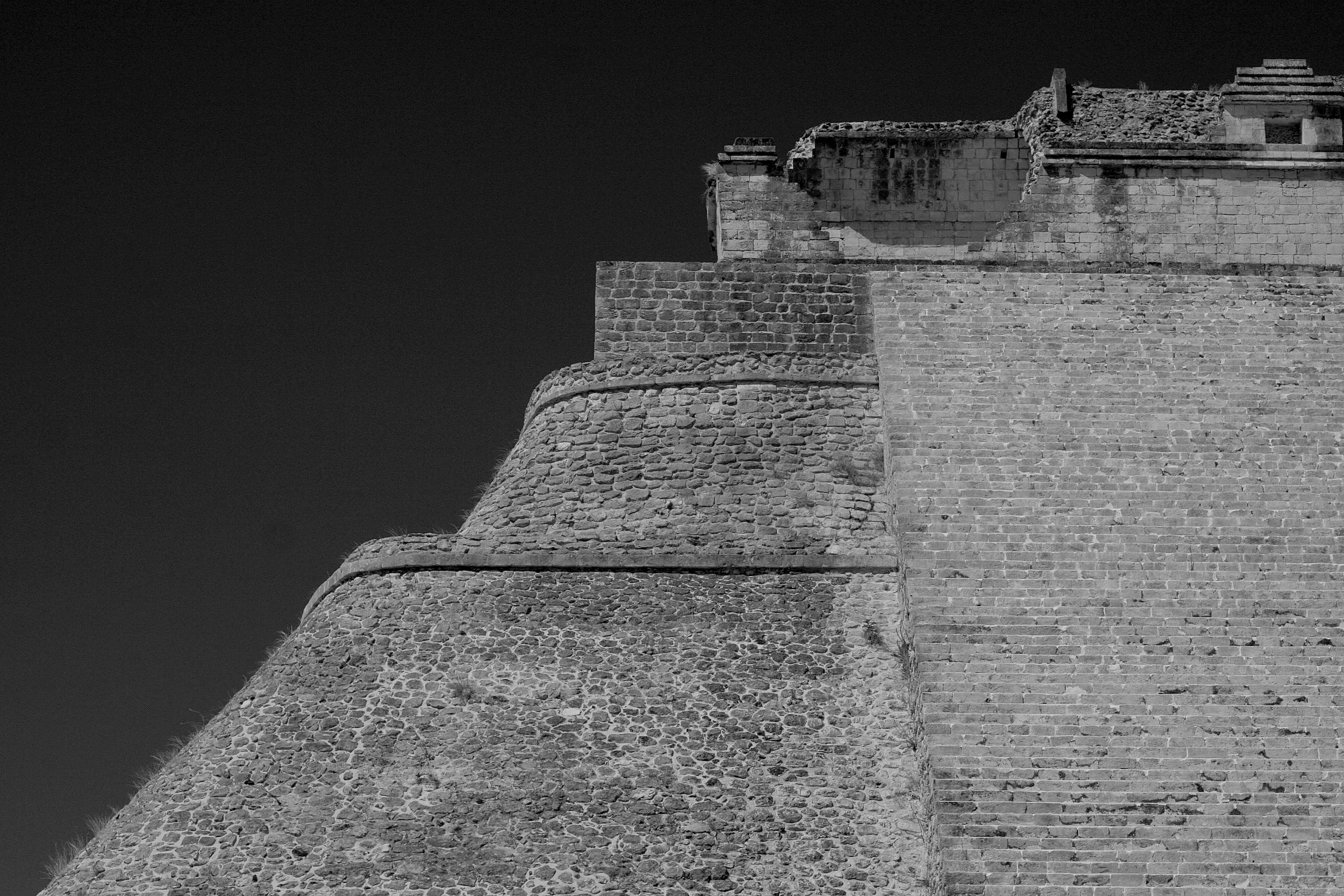
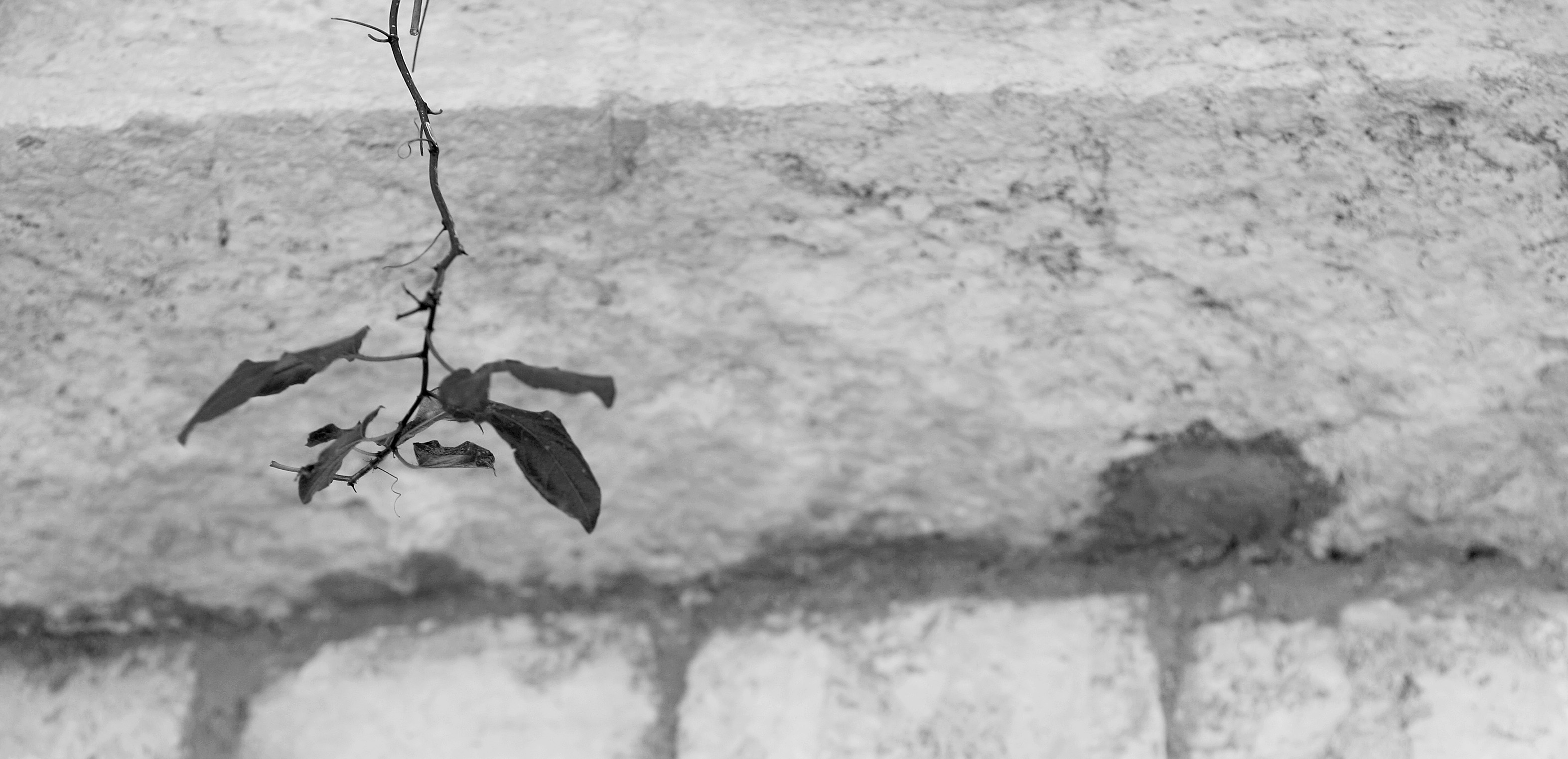
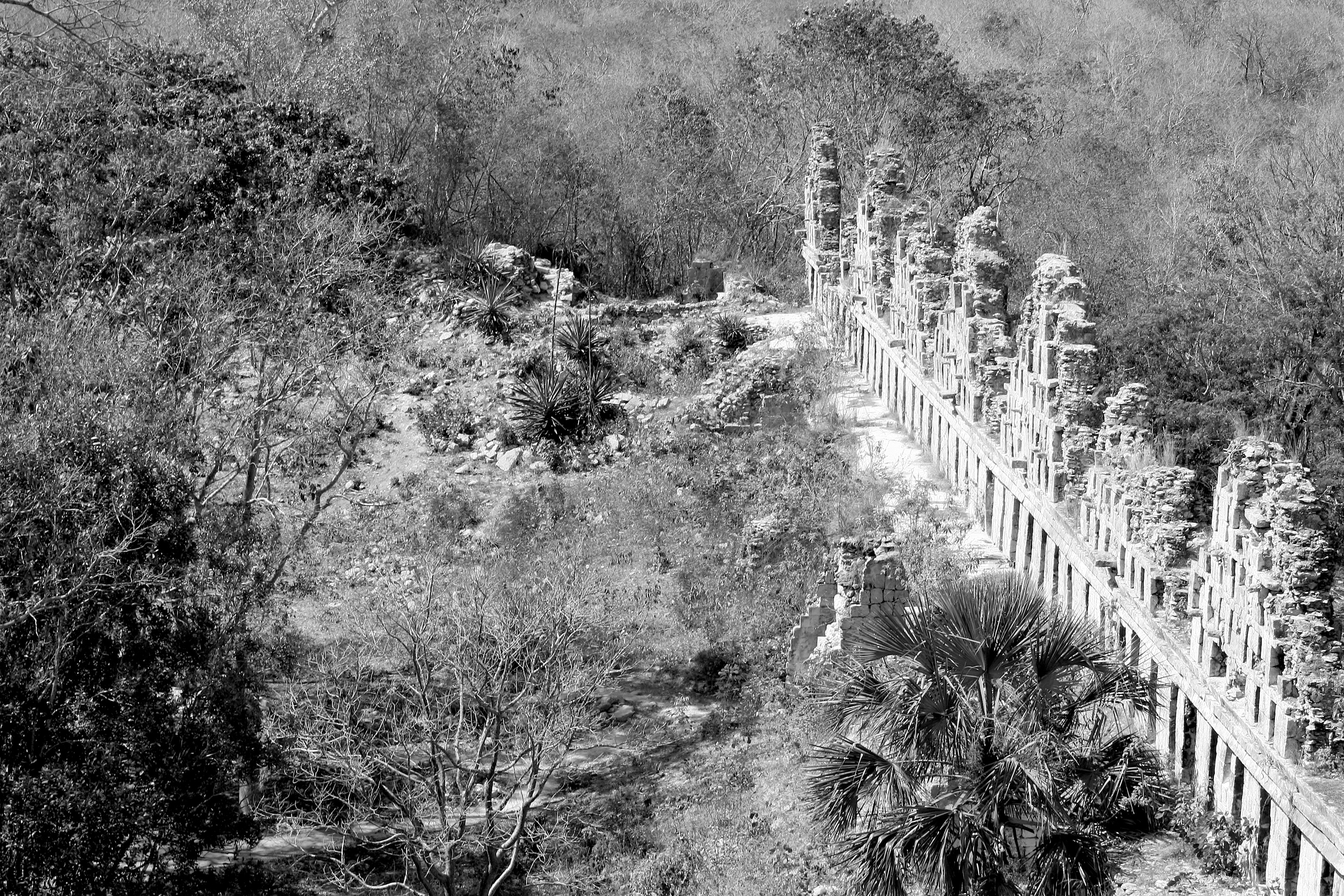
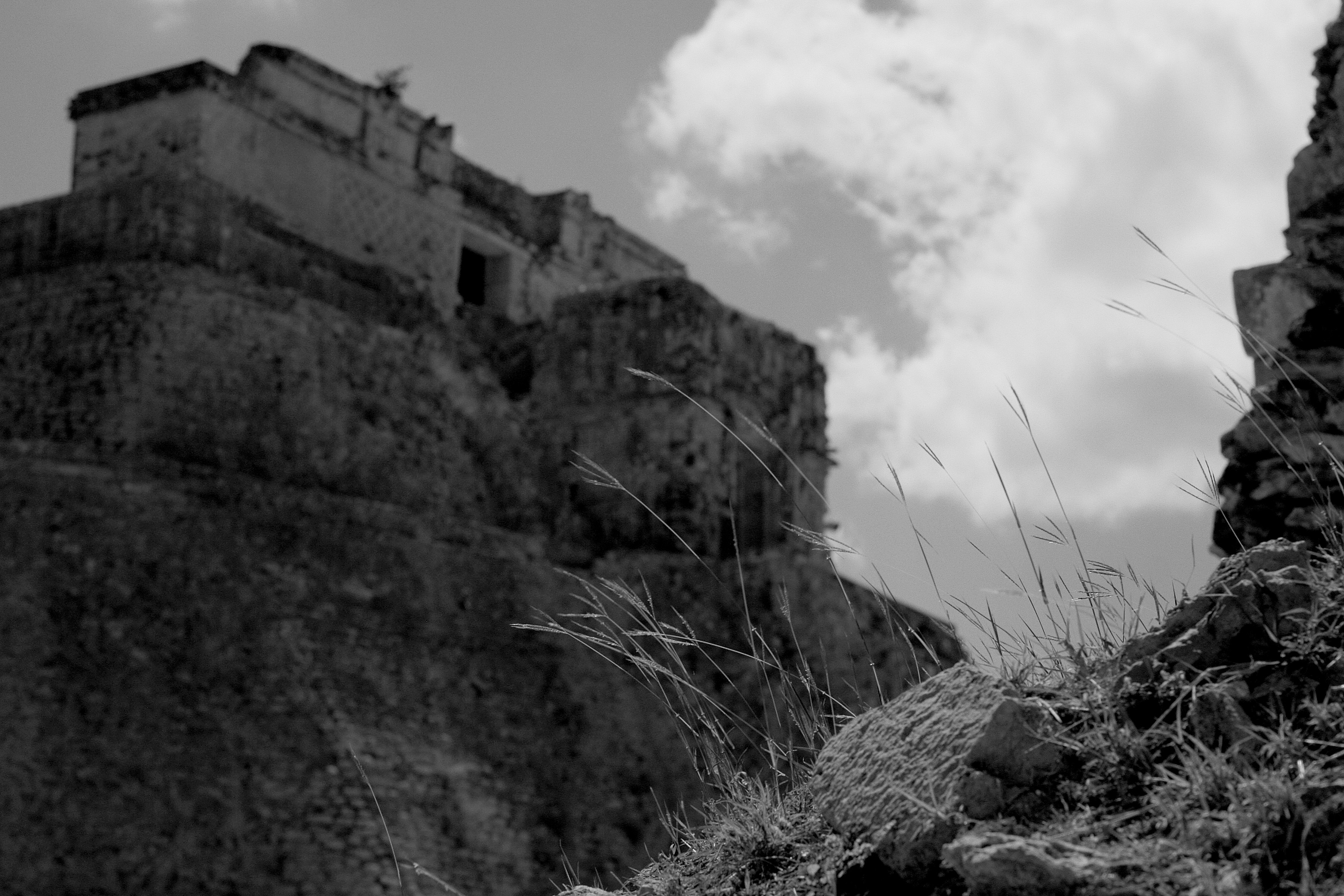
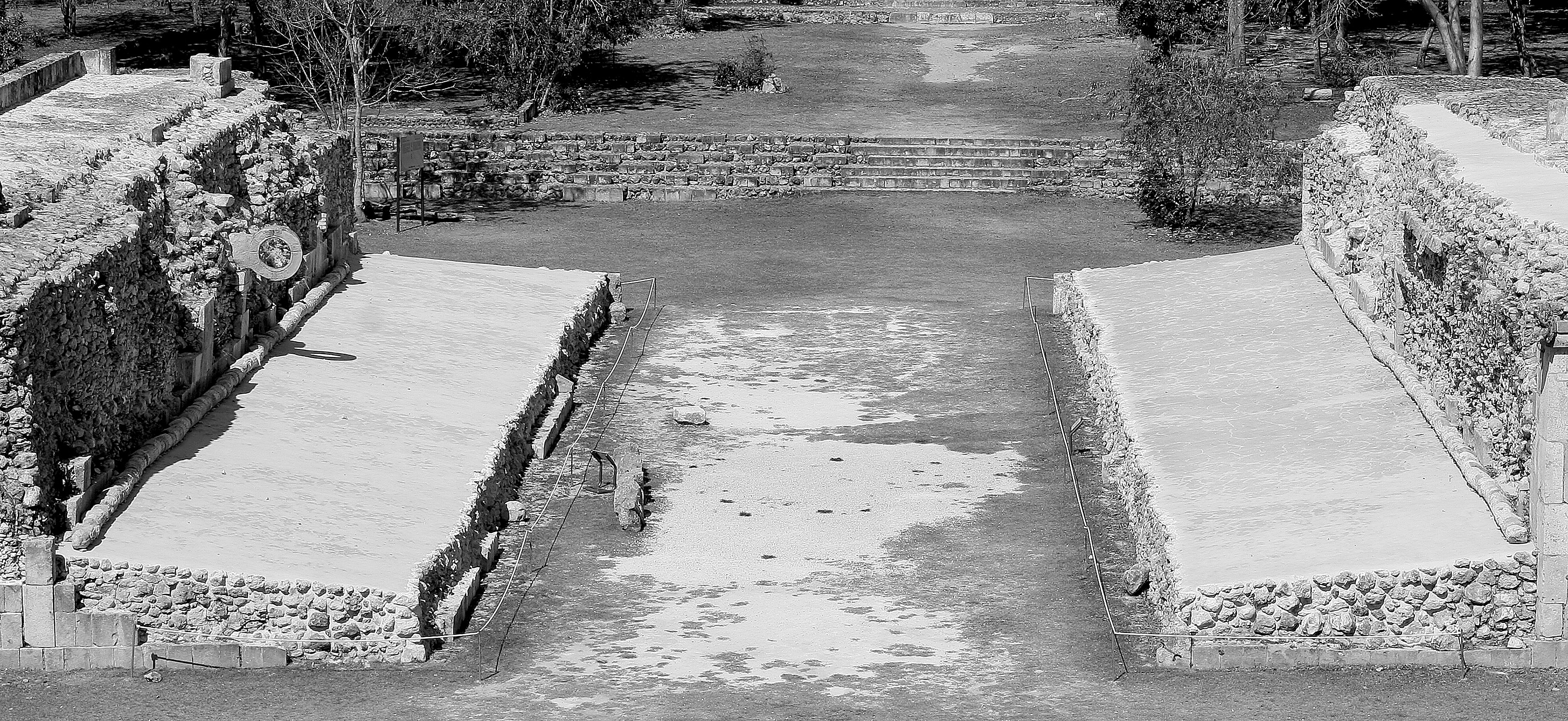
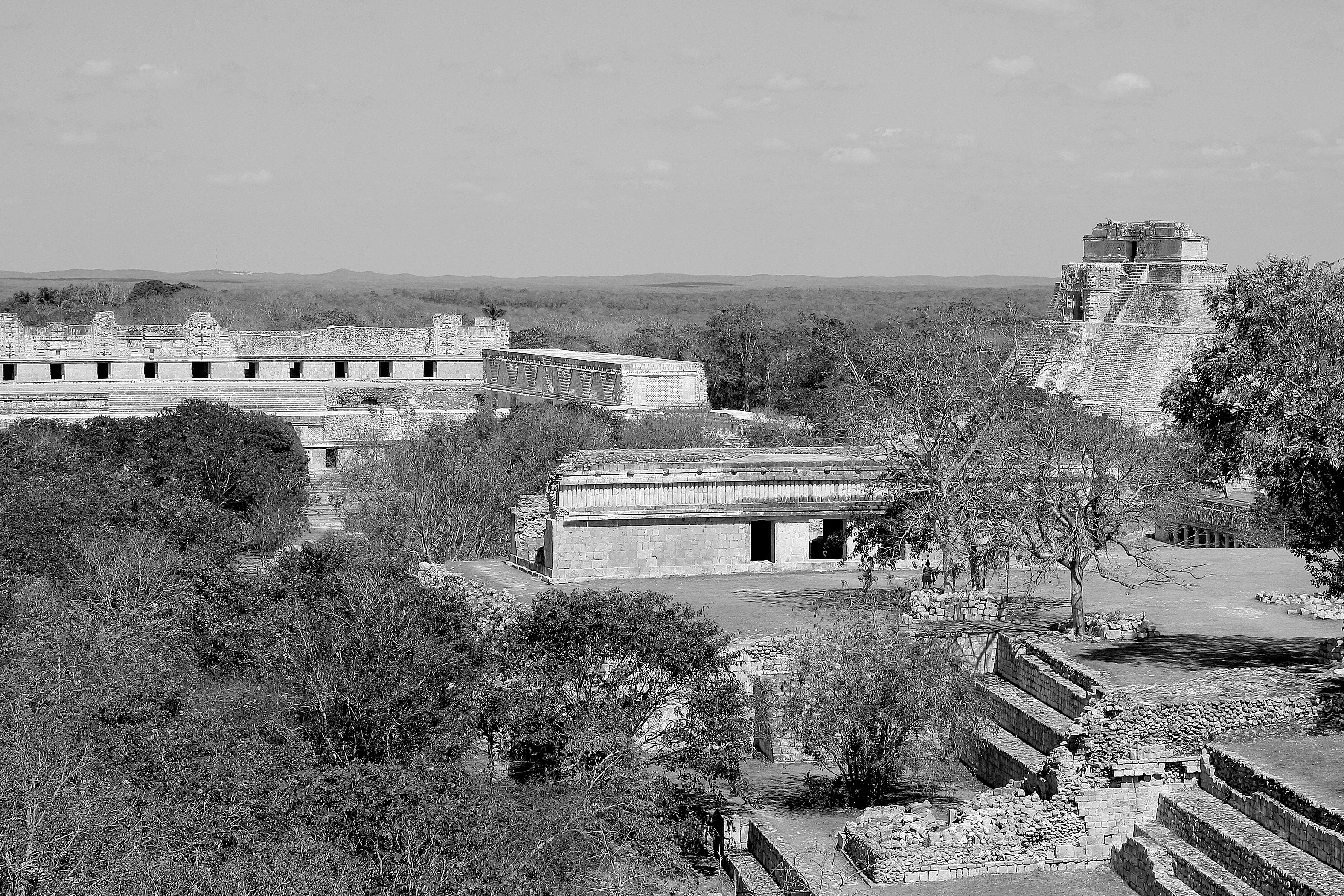
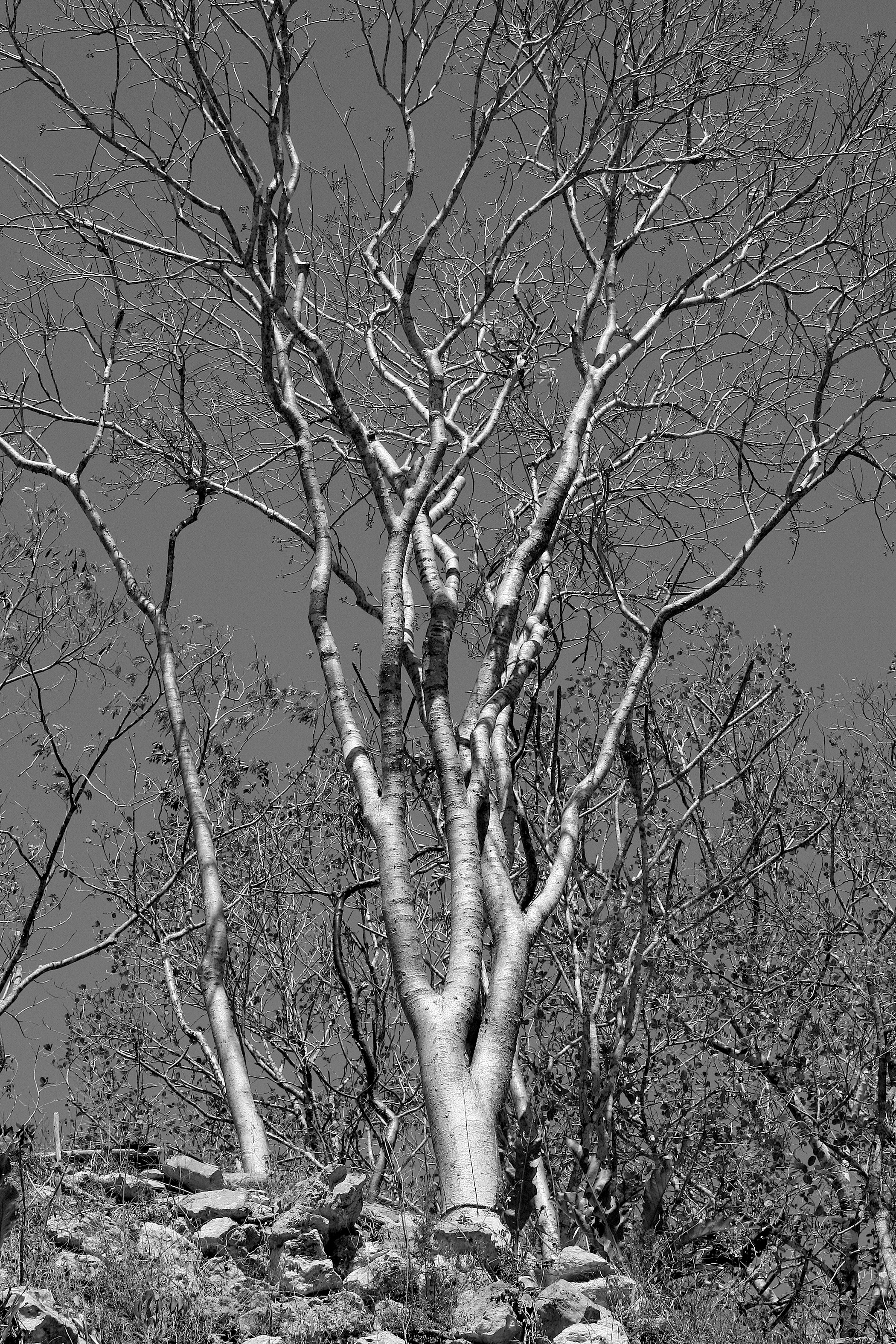
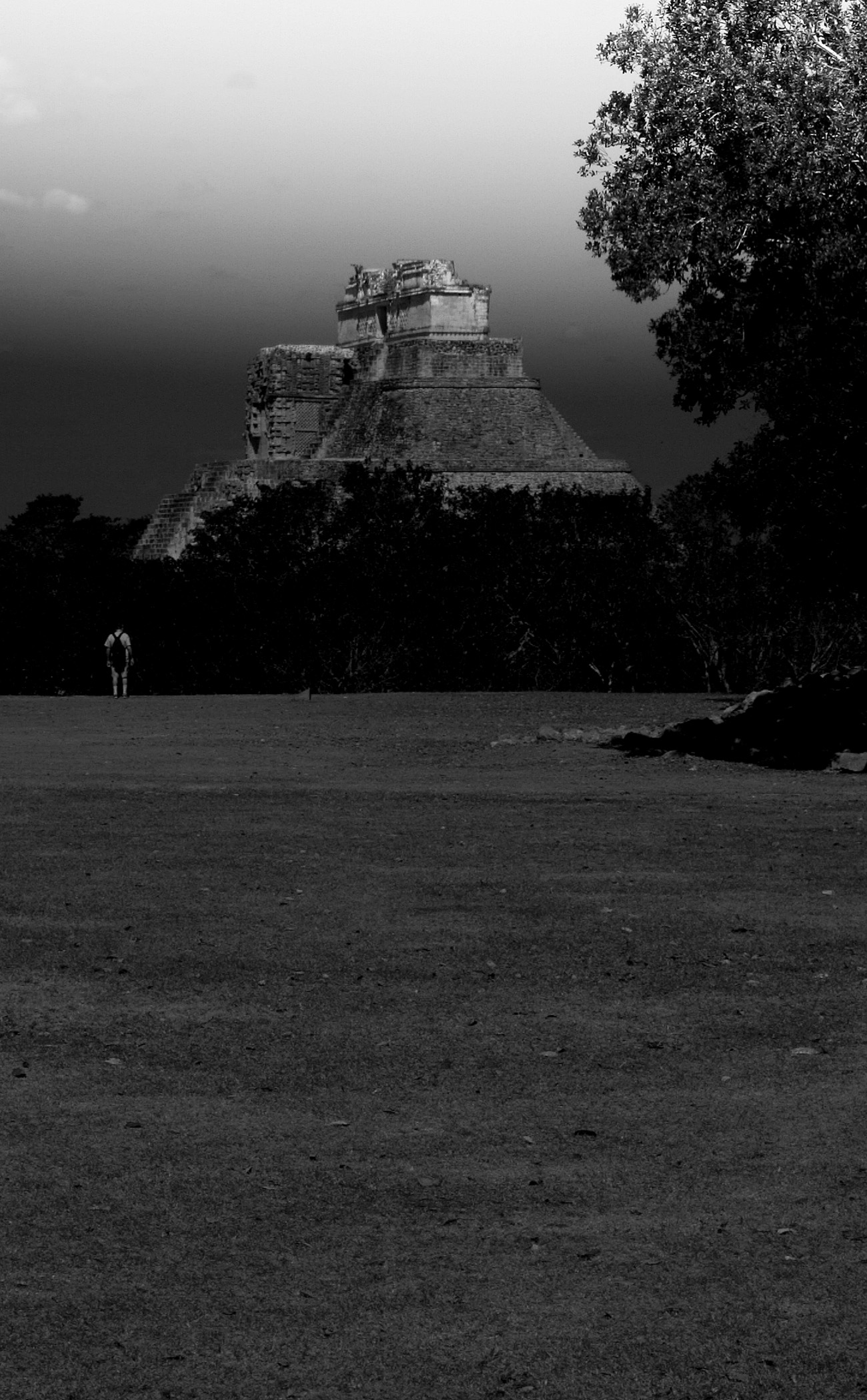
This series begins with the Magician’s Temple. Some of these images are more of the classic touring photo variety — the shot of landscapes, of pyramids, etc. I combine them with some close-ups of nature as reminder of how these two things go together — nature and culture — and the ways in which nature is intertwined (and, in fact, destroys and holds together, the ruins of culture).
 Curtis D. Coats